Most hospital bag lists you will find online are written for American parents. Different hospitals, different systems, different stuff. This guide is based on what Australian maternity hospitals actually provide, what they expect you to bring, and what parents consistently say they wished they had packed.
The sweet spot for packing is around 34 to 36 weeks. Early enough that you are not panicking, late enough that it feels real. But if you are reading this at 39 weeks with nothing packed, you are fine. Most of what you need is already in your house.
One thing before you start: what you pack depends on how you plan to give birth. A water birth, a planned caesarean, and an unmedicated vaginal birth each call for different items. If you have not thought through your birth preferences yet, that is worth doing before you pack. BirthGuide walks you through your options and generates a birth plan in minutes, and your plan includes a personalised hospital bag checklist based on your specific answers. But even without a personalised list, the categories below cover what every Australian parent needs.
Paperwork first, because you will forget it otherwise
This is the boring stuff that becomes urgent the moment you arrive at the hospital. Pack it in a clear folder at the top of your bag.
Your Medicare card and photo ID are non-negotiable. If you have private health insurance, bring your membership card too. Public patients can skip that one.
Your antenatal records and pregnancy notes need to come with you. That is the folder your midwife or obstetrician has been adding to at every appointment. It contains your blood results, ultrasound reports, and clinical history. The team at the hospital may not have seen you before, especially if you arrive outside business hours. This folder is how they get up to speed fast.
A printed copy of your birth plan or birth preferences is one of the most useful things you can put in your bag. Not because the midwife will sit down and read it cover to cover during active labour, but because your partner will. The birth plan is a reference document for the person advocating for you when you cannot advocate for yourself. If you do not have one yet, BirthGuide's questionnaire produces a one-page document that clinical staff can scan in seconds.
It is also worth printing an emergency contact list separately from your phone. If your battery dies at 3am, you want those numbers on paper. And check whether your hospital needs a pre-admission form or birth registration paperwork completed before you arrive. Many do, and it is much easier to fill in at home than between contractions.
One more thing: parking. It sounds trivial until you are circling the hospital car park at midnight. Know where the maternity entrance is, whether you need coins or a card, and where the closest alternative parking is if the main lot is full.
For mum: what you will actually use
The most common packing mistake is bringing too many nice things. Labour is messy. Recovery is messy. Pack for comfort and practicality, not for looking put together.
For labour itself, bring a comfortable nightgown or an old t-shirt you do not mind throwing away afterwards. Dark colours are practical. Hospitals provide gowns, but your own clothes feel better and give you one less thing that feels clinical. A dressing gown is essential for afterwards. You will be walking the corridors to the nursery, the bathroom, the cafe. A lot. At all hours.
Pack non-slip socks or slippers for the ward and thongs or flip-flops separately for the shower. Hospital floors are cold, and hospital showers need their own footwear.
Lip balm sounds like a strange priority, but labour rooms are dry and gas (Entonox) dries your lips out fast. It is one of the most frequently mentioned items in Australian birth forums.
For after the birth, pack sleepwear that is button-front or loose at the neck if you plan to breastfeed, and two nursing bras or sleep bras. Maternity pads are essential and hospital-grade ones are better than regular pads. Most hospitals stock them, but bringing your own preferred brand is worthwhile. Pack disposable underwear or old underwear you do not want back, breast pads for when your milk comes in (usually day two or three), and lanolin nipple cream if you are planning to breastfeed.
For toiletries, keep it simple: shampoo, conditioner, body wash, deodorant, face wipes for when a shower feels impossible, hair ties, and a toothbrush.
Glasses or contact lenses are surprisingly easy to forget in the rush to the hospital. If you wear them, pack them early.
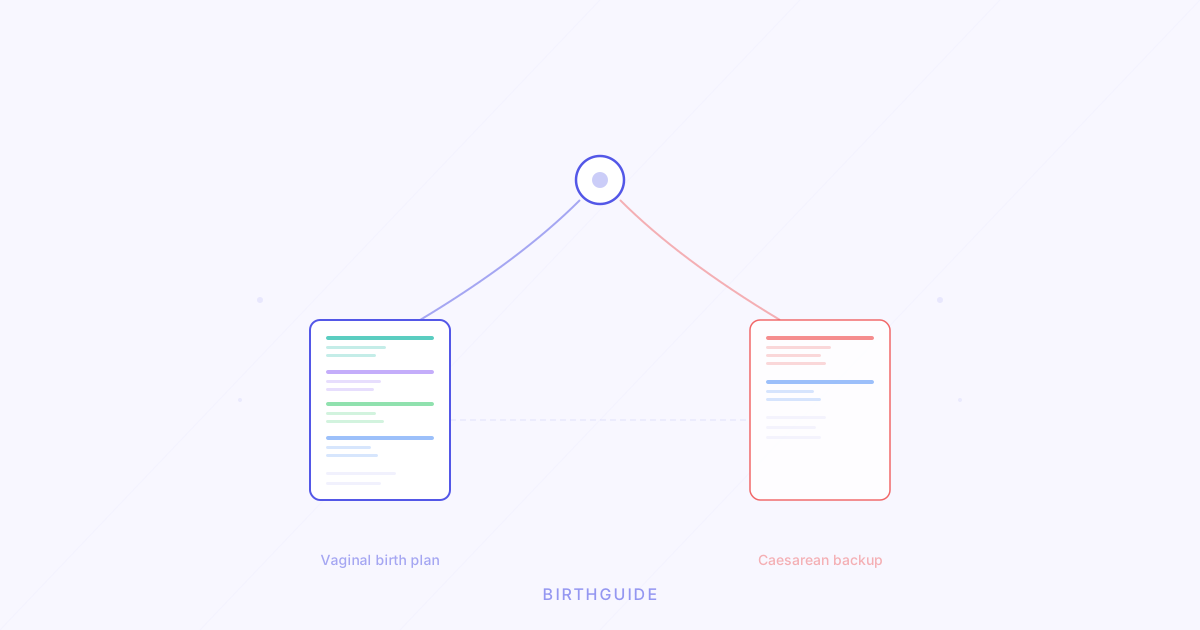
Your going-home outfit should be something loose and comfortable. Maternity clothes are still your friend. If you are having a caesarean, you will want a high-waisted option that does not sit on the incision. If you are planning a caesarean, BirthGuide has a dedicated caesarean pathway that covers theatre preferences, drape options, and recovery, and your personalised checklist includes caesarean-specific packing items.
A pillow from home is optional but recommended by almost every parent who has stayed in an Australian postnatal ward. Hospitals never have enough, and yours helps with sleep and breastfeeding position. Put a coloured pillowcase on it so it does not get mixed up with hospital linen.
For your partner: pack like you are staying overnight
Partners often underpack because they assume they will be able to duck out for food or a change of clothes. That is not always true, especially during active labour and in the hours after birth.
A change of clothes is essential. Labour can last a long time, and a clean shirt matters when you are holding a newborn for the first time. Comfortable shoes are important too. Standing for hours on a hard floor is tough. No thongs.
Pack snacks and drinks for at least 24 hours. Hospital cafes have set hours, and vending machines are not a meal. Muesli bars, sandwiches, fruit, and a refillable water bottle will get you through. Bring cash as well, because some hospital car parks and cafes are still cash-only.
A phone charger with a long cable is critical. The power outlet is never where you need it. And something for entertainment during slow periods is worth having. Early labour can involve a lot of waiting. Download a podcast, a show, or a book to your phone before you leave home.
The single most useful thing your partner can have in the delivery room is a one-page summary of your birth preferences. Not the full plan, but the key points on a single sheet they can reference quickly when the midwife asks a question and you are mid-contraction. BirthGuide generates a partner cheat sheet automatically alongside your birth plan, designed specifically for this moment.
For baby: less than you think
Newborns need very little. The temptation is to pack the entire nursery, but hospitals provide most of the essentials during your stay. You are mainly packing for the trip home and for comfort during your time on the ward.
Clothes: bring 2-3 singlets or bodysuits, 2-3 footed sleepsuits, a going-home outfit in two sizes (newborn and 000, because you never know), a beanie even in summer (newborns lose heat through their heads quickly), and booties or socks. A warm cardigan or zip suit is useful because hospital rooms can be cold overnight.
Nappies: hospitals usually supply newborn nappies during your stay, but bring a small pack of your own for the trip home. Pack fragrance-free baby wipes or cotton wool if you prefer.
Wraps and blankets: 2-3 muslin wraps are useful for swaddling, feeding cover, and cleaning up. Bring one light blanket and one warm blanket depending on the season, for the car trip home.
Feeding supplies: if you are not planning to breastfeed, or want to be prepared in case, pack pre-made formula and sterilised bottles. Check your hospital's policy on what they provide. If you are undecided about feeding, that is completely normal. Your birth plan can include your feeding preferences so the midwifery team knows how to support you from the start.
A dummy or soother is optional. Many hospitals recommend introducing one only after breastfeeding is established, so check the policy at yours.
And the big one: your rear-facing infant car seat must be properly fitted and checked before your due date. You cannot leave the hospital without one. Many local councils offer free fitting checks, and organisations like Kidsafe run regular fitting days. Do not leave this to the last week.
Comfort and pain relief: the items that make the difference
This is where your hospital bag becomes personal. What you pack here depends entirely on how you plan to manage labour.
If you are considering a TENS machine, hire or buy one well before your due date. Most hospitals do not provide them. Pack spare electrode pads too, because the adhesive can fail during long labours.
A heat pack (reusable wheat bag or disposable heat wraps) helps with contraction pain, especially in the lower back. Massage oil or lotion is useful if you want your partner to help with back massage during contractions.
Music makes a real difference to the atmosphere in the birth room. Bring a Bluetooth speaker or headphones and have a playlist ready. Some parents find noise-cancelling headphones useful for hypnobirthing audio or for blocking out postnatal ward noise during recovery. Check your hospital's policy on speakers before packing one.
If you are planning a water birth or want to use the shower during labour, pack swimwear for yourself and for your partner (they may want to support you in the water).
Eye mask and earplugs are for after the birth. Postnatal wards are noisy and bright at all hours. These two items dramatically improve sleep.
A comfortable pillow for the drive home is worth packing if you are having a caesarean. Held against your abdomen, it cushions the seatbelt against the incision.
If you are doing hypnobirthing, calmbirth, or similar preparation, bring your affirmation cards or notes. Anything that helps you stay grounded during labour belongs in the bag.
And finally, a plastic bag for dirty laundry keeps things separate and stops your packed bag from smelling like a hospital by day two.
Your birth preferences shape your packing list
Everything above is the universal list. But the specific items you need depend on choices you may not have made yet.
Planning a water birth? You will need swimwear, a waterproof hair tie, and possibly your own towel. Hoping to stay mobile during labour? Grippy socks for floor positions are worth packing. Having a planned caesarean? Loose high-waisted underwear, slip-on shoes (bending is hard after surgery), and an extra-long phone charger (recovery beds can be far from outlets) all make a difference. Keeping your placenta? You will need an insulated container and ice packs, and you should confirm your hospital's policy in advance.
These are the kinds of items that a generic checklist cannot cover. They depend on your specific birth preferences.
BirthGuide asks you about your birth preferences and generates a personalised hospital bag checklist alongside your birth plan. Every item is tailored to your actual answers, whether you are planning a water birth, a caesarean, or an unmedicated vaginal birth. Your partner gets a one-page cheat sheet for active labour, and you get a packing list that covers exactly what you need and nothing you do not.